Women Driving Cultural Change
January 15th, 2026
By Aliya Byrd
Inside the Work That Shapes Culture
Culture doesn’t shift accidentally. It is shaped through policy decisions, product systems, and storytelling infrastructure built over time. Across politics, technology, and entertainment, women are influencing culture not only through visibility, but through the specific work they do inside institutions, platforms, and creative systems. This piece looks at how that work operates in practice, and how it creates lasting cultural impact.
Politics: Law, Policy, and Institutional Power
In politics, culture is shaped through legislation, enforcement, and agenda-setting. Leaders like Kamala Harris and Jasmine Crockett influence culture by shaping how the government responds to issues like justice, civil rights, and accountability.
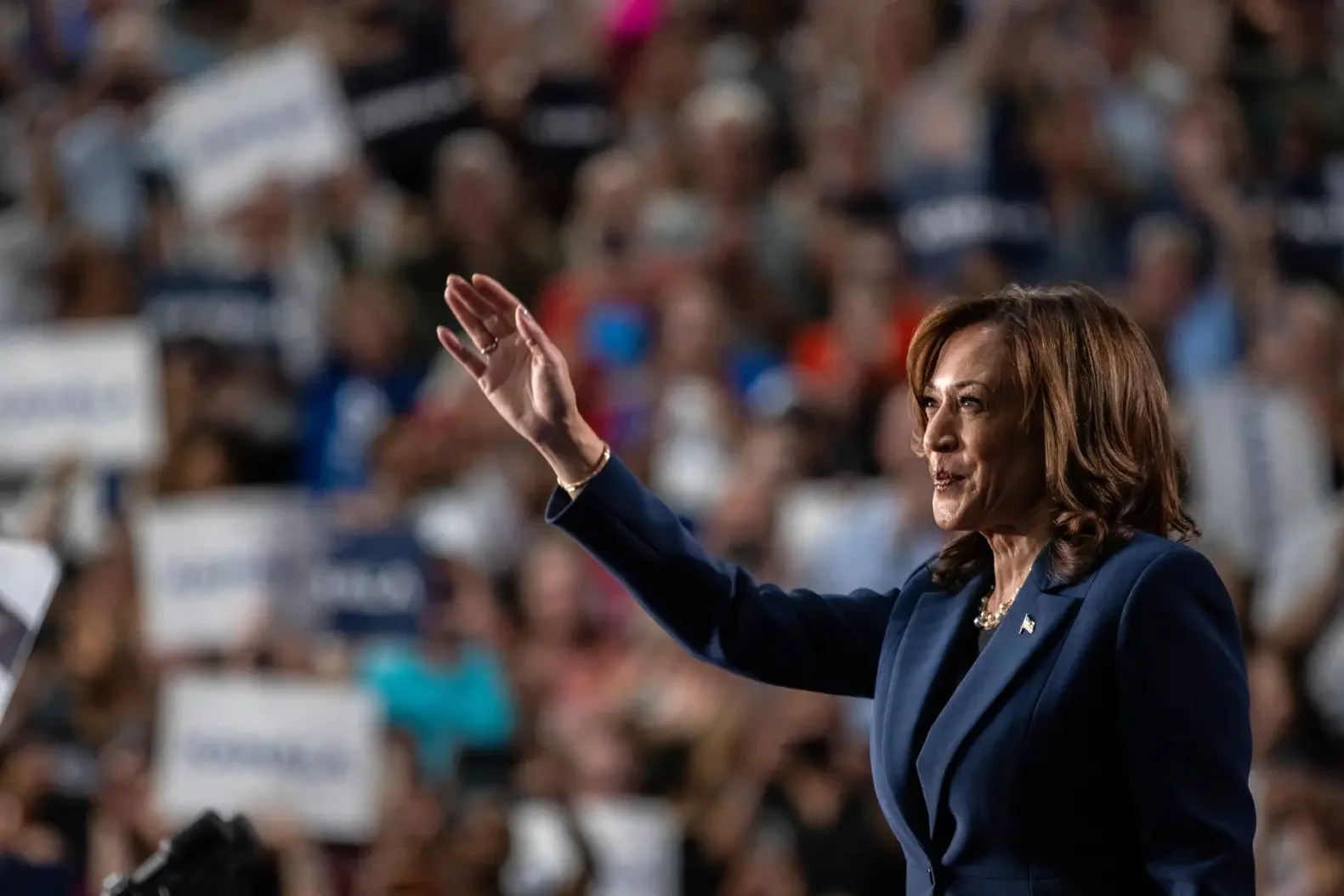
Kamala Harris’s work has spanned prosecution, legislation, and executive leadership, but her 2024 presidential campaign marked a distinct cultural moment. Beyond policy, her candidacy reshaped how many Americans engaged with the idea of national leadership, particularly through its impact on media, public discourse, and collective identity. Her presence at the top of the ticket generated renewed conversations around patriotism, representation, and possibility, especially for voters who had never seen themselves reflected in presidential power.
The work of a modern presidential campaign extends far beyond speeches. Harris’s run involved agenda-setting, coalition-building, rapid-response communication, and constant media negotiation across traditional outlets and digital platforms. Her campaign accelerated how politics lived online, through viral moments, cultural commentary, and real-time public engagement, demonstrating how political leadership now operates at the intersection of governance and media ecosystems.
In this way, Harris’s influence was not only institutional but cultural. Her campaign reframed how leadership could look, sound, and move through American media, shaping public imagination as much as policy debate.
Jasmine Crockett’s role as a legislator centers on legal analysis, committee participation, and policy debate. Her work involves drafting legislation, questioning witnesses, negotiating language, and communicating policy implications to the public. Through this procedural work, she shapes how political issues are framed and understood, contributing to cultural norms around accountability, governance, civic engagement, and legal literacy.
Technology: Building Systems That Scale
In technology, culture is shaped through products and systems that mediate how people communicate, work, and access information. Women in tech influence culture by deciding what gets built, whose needs are prioritize, and how access is structured.
Kimberly Bryant has shaped tech culture at the pipeline level by focusing on access, education, and long-term participation. Through Black Girls Code, she built structured programs that introduce young girls to coding, robotics, and computer science at an early age. These programs are designed not just to teach technical skills, but to familiarize students with the language, tools, and confidence required to see themselves as future technologists.
Her work involves designing curricula, building partnerships with schools and technology companies, and scaling programming across cities and communities. By intervening early, Bryant reshapes who enters the tech ecosystem before hiring decisions, product teams, or leadership pipelines are even formed. This approach shifts industry culture upstream, influencing not only representation, but the perspectives and experiences that inform future technology.
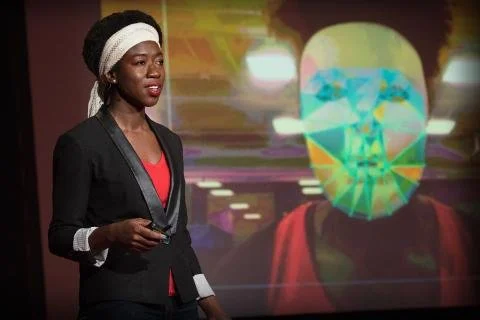
As an AI researcher, Joy Buolamwini has shaped how society understands the risks of automated systems. She is the founder of the Algorithmic Justice League. She is an award-winning researcher whose work addresses bias and racism in artificial intelligence and machine learning. Her research exposed disparities in facial recognition technologies, shaping public discourse and influencing corporate practices and policy conversations around AI accountability and regulation. Her work shows how culture is shaped not just by what technology does, but by how it is questioned and governed.
Entertainment: Crafting Narratives That Last
In entertainment, culture is shaped not only by performance, but by production decisions, what stories are developed, funded, distributed, and sustained over time. Women working as producers and studio leaders influence culture through control over creative infrastructure.
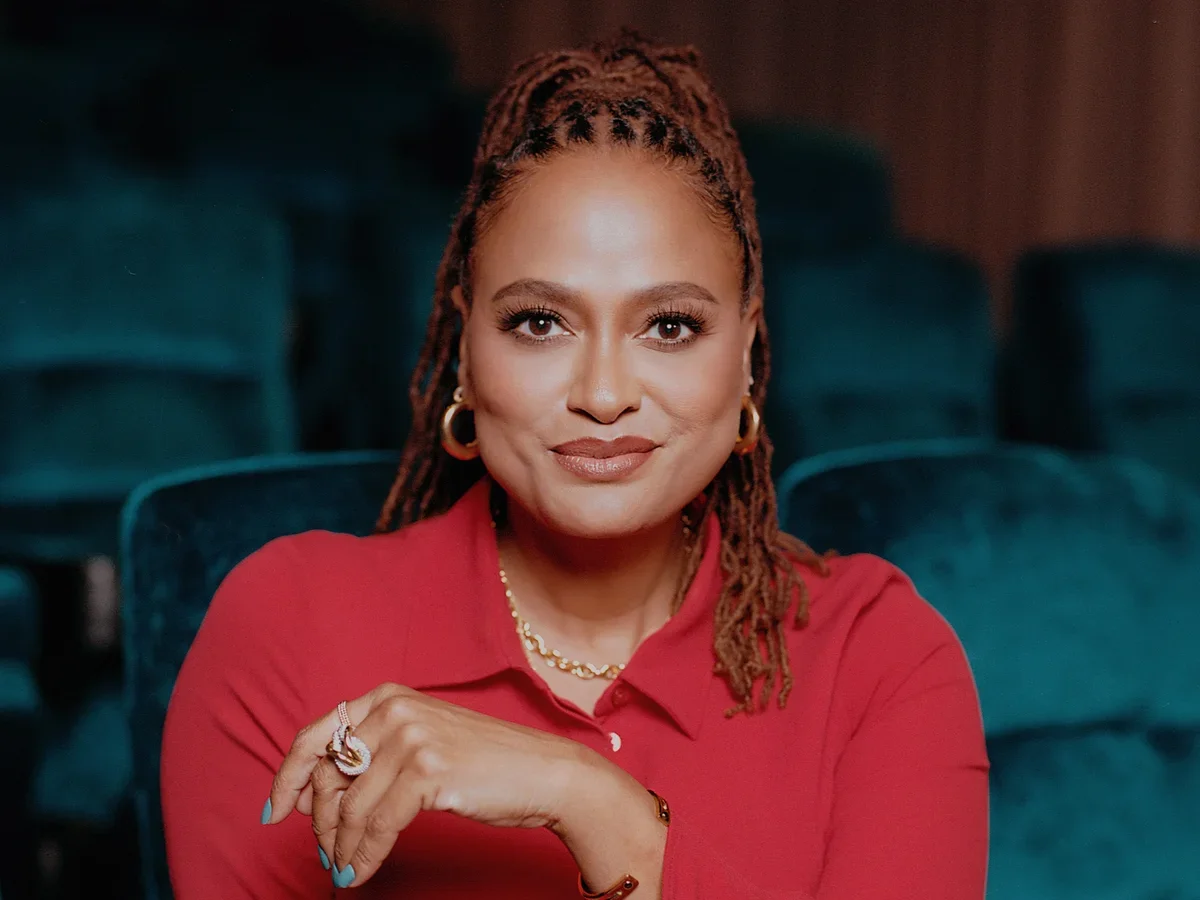
Ava DuVernay has focused on institution-building within entertainment. Through ARRAY, she supports filmmakers through funding, distribution, and advocacy, shaping the structural conditions under which stories are told. Her influence lies in changing access, not just individual narratives.
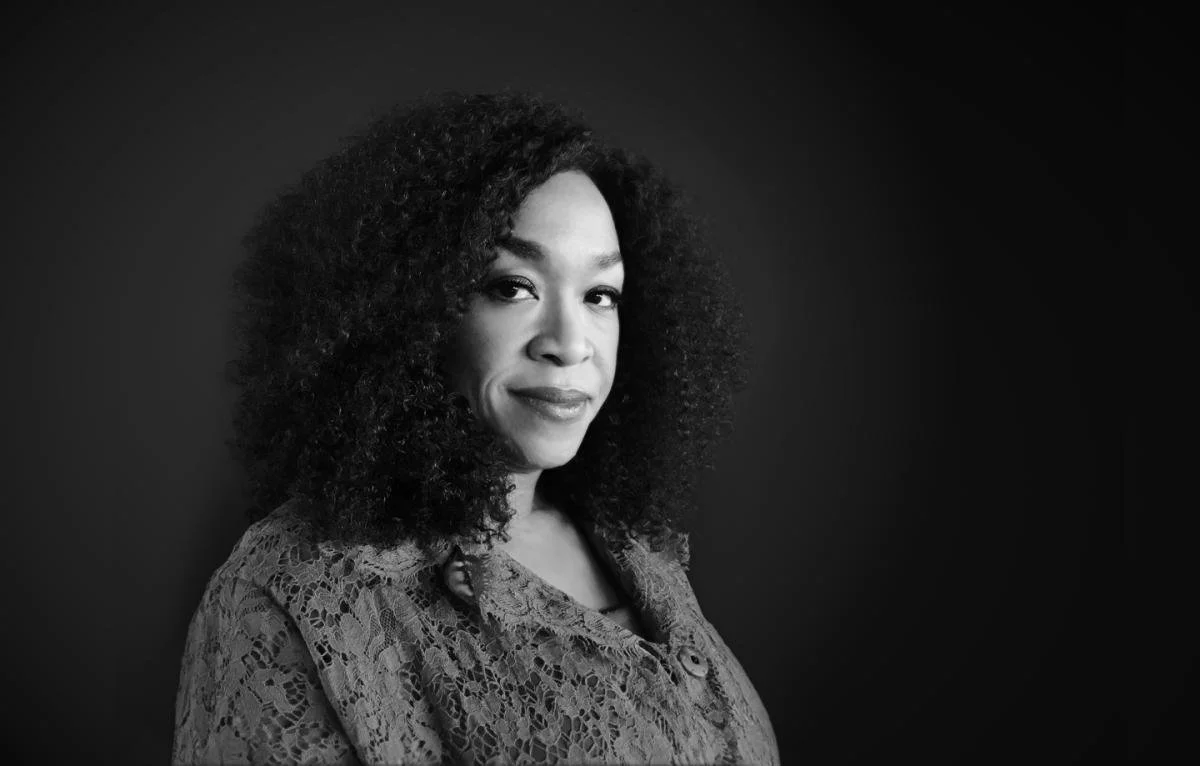
As a television producer, Shonda Rhimes has shaped culture through scale and consistency. By running long-term television productions Like Scandal, Bridgerton, and Grey’s Anatomy, and controlling creative direction, she has influenced how audiences understand leadership, relationships, and power over time. Her work demonstrates how cultural norms are shaped through repeated exposure and sustained storytelling.
The Work Behind the Impact
Across industries, these women shape culture by building systems—laws, platforms, pipelines, and production infrastructures—that determine how influence operates. Their impact comes from sustained work: decisions made daily, processes refined over time, and structures designed to last.
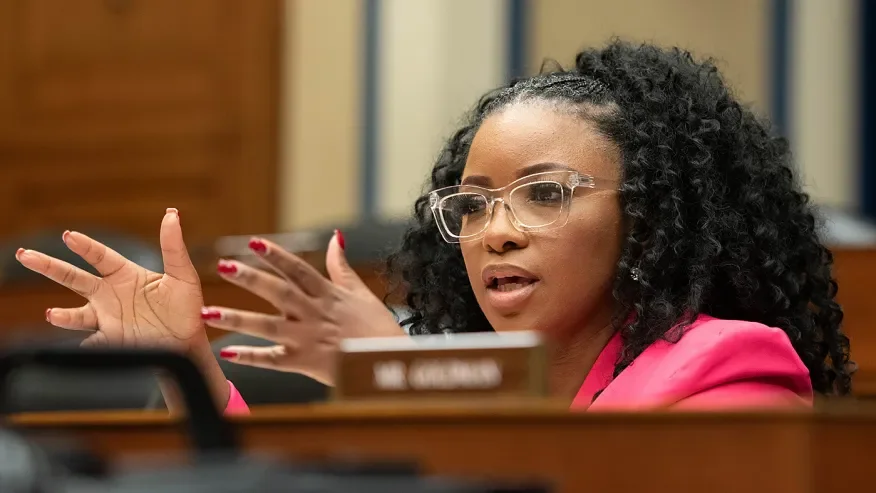

Jasmine Crockett profile image. Photo via The Thunderword
Kamala Harris at a campaign event. Photo via Rolling Stone
Ava DuVernay portrait. Photo via The Guardian
Leadership event photo. Photo via Dartmouth Call to Lead
Joy Buolamwini speaking at an event. Photo via University of Maryland AAAS
Kimberly Bryant. Photo via SIGGRAPH Blog